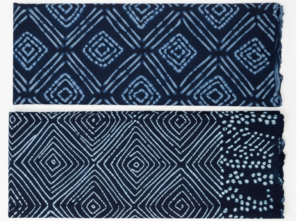
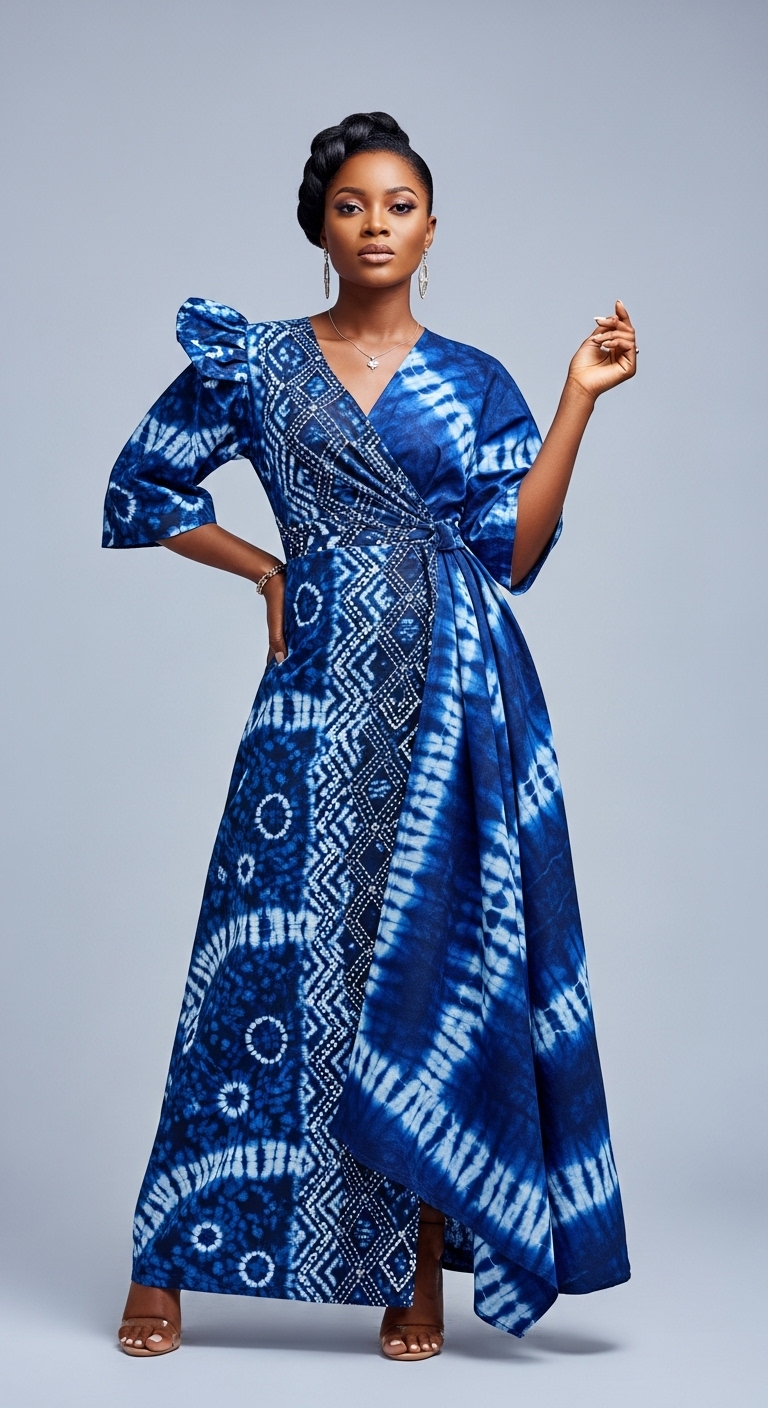
Adire is one of the most celebrated Nigerian textile traditions, known for its deep cultural meaning and unique craftsmanship. This fabric has a history that goes beyond fashion—it tells a story of identity, creativity, and community. At WavePrime, we value Adire not only for its beauty but also for the history it carries. Understanding Adire is essential to appreciating the true value of African textiles.
The Origin of Adire
Adire is a traditional textile from southwestern Nigeria, especially popular among the Yoruba people. The word “Adire” comes from the Yoruba phrase “àdìrẹ́,” which means “tie and dye.” The fabric is created using resist-dyeing methods, where patterns are made by preventing dye from reaching certain parts of the cloth. This technique results in distinctive indigo patterns that vary in intensity and design.
Historically, Adire was produced by women who passed down the techniques through generations. It became a key part of Yoruba culture, worn during ceremonies, festivals, and important social events. The beauty of Adire is that it is not only a fabric but a form of cultural expression.
The Symbols and Meanings in Adire Patterns
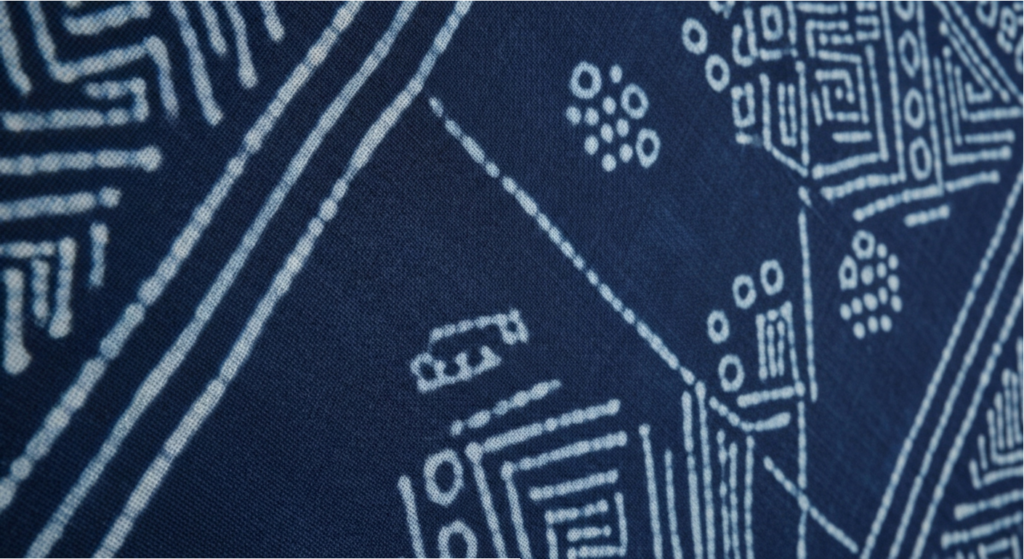
One of the most fascinating aspects of Adire is the symbolic meaning behind its patterns. Adire designs are often inspired by nature, proverbs, and cultural stories. Each pattern can carry a message or reflect a specific belief.
Some common symbols found in Adire include:
- Lines and stripes: Often represent strength, unity, and community
- Dots and circles: Symbolise continuity and life cycles
- Leaf and flower shapes: Reflect nature, growth, and prosperity
- Geometric shapes: Often represent order, balance, and tradition
Because Adire patterns are handmade, no two pieces are identical. This uniqueness is part of what makes Adire valuable. Each piece is a one-of-a-kind work of art.
The Craft Behind Adire
Adire is not created by a single process. The traditional method involves several steps, including preparing the cloth, applying resist, and dyeing. The resist may be created using methods such as:
- Tying (knotting)
- Stitching
- Wax application
- Using starch or paste
The dye is traditionally indigo, producing the deep blue shades Adire is known for. After dyeing, the cloth is washed and dried, revealing the patterns created by the resist.
This process requires skill, patience, and precision. It is why Adire remains respected and cherished as a traditional craft.
Modern Use of Adire in Fashion
Adire has evolved from a traditional fabric into a modern fashion statement. Today, it is used in both everyday and high-fashion clothing. Designers across Africa and around the world incorporate Adire into dresses, shirts, accessories, and even home décor.
At WavePrime, we believe Adire should be accessible and wearable. That is why we bring authentic Adire fabrics to the UK market. The fabric works beautifully for:
- Bespoke clothing
- Fashion accessories
- Tailored outfits for events and celebrations
- Creative fashion projects
Adire also blends well with modern fashion styles. It can be paired with simple silhouettes for a clean, elegant look or used as a bold statement piece in more daring designs.
Why Adire Still Matters Today
Adire is more than a fabric. It represents culture, heritage, and creative identity. As African fashion grows in global recognition, Adire continues to stand out because of its history and authenticity. It is a reminder that fashion can be meaningful, not just beautiful.
For those who value authenticity and craftsmanship, Adire is a timeless choice. Each piece carries tradition, creativity, and the work of skilled artisans. When you wear Adire, you wear a piece of history.